


Remote Jobs Search - FlexJobs
BoldGoogleApps
Finding a legitimate remote position is harder than simply typing “work from home” into a search box. The useful results are often mixed with vague listings, unsuitable schedules, or offers that ask for too much personal information too early. Remote Jobs Search - FlexJobs is built around a narrower promise: helping people look for verified legitimate remote, flexible, or work-from-home jobs from a phone. After spending time with it, I found that its real value is not the novelty of searching for remote work. It is the attempt to make that search feel more focused and less exposed to questionable listings.
This is a free business app from BoldGoogleApps, rated for Everyone and available for devices running Android 7.0 or later. It has reached over one hundred thousand installs and holds an average rating of 3.9 from around one and a half thousand ratings. Those figures suggest a useful but not universally loved tool, which matches my experience: it can make a remote-job hunt more manageable, but it should be treated as a search companion rather than a complete employment service.
What the app’s verified-job focus changes
The central capability is the emphasis on legitimate remote and flexible work. That matters because remote-job searches have a particular problem: the attractive wording is easy to copy, while the actual opportunity may be unclear. A focused app can reduce the amount of irrelevant browsing and help me approach each listing with a more practical question: does this fit the way I can really work?
I would not describe this as a magic filter that removes every concern. Verification is helpful, but it does not replace my own judgment about the employer, duties, pay arrangement, location requirements, or application process. The strongest benefit is earlier in the workflow. Instead of beginning with a huge general search engine and sorting through everything that happens to contain “remote,” I can start inside an environment intended for remote and flexible roles.
That distinction is especially useful for people who are not looking for one specific profession. A parent returning to work, a freelancer seeking steadier assignments, or someone trying to move from an office role to a home-based schedule may not know the exact job title to search. A remote-focused catalog gives those users a clearer starting point than a general employment search that assumes they already understand the terminology.
Related News

Why WhatsApp Messenger Still Makes Everyday Communication Feel Easy

Jurassic World: The Game Is the Better Dino Tycoon for Strategic Players

Threads in Real Life: Who Should Join, Lurk, or Leave

How SHEIN Turned Shopping Into an Endless Content Feed

How to Make Fortnite Feel Smarter on Mobile

Should You Switch to Microsoft Outlook on Mobile?
At the same time, the app is not automatically the best choice for every job hunt. If I already know the company I want, the employer’s own careers page may provide more complete context. If I need local work, government employment, or a highly regulated profession, a specialist board may be more useful. FlexJobs is most convincing when the main challenge is discovering possibilities while keeping remote work at the center.
Why the phone format is useful
Searching from a phone changes the rhythm of the process. I can review opportunities during a commute, between household tasks, or during a short break without opening a laptop and rebuilding my search from scratch. That convenience sounds minor, but job hunting often fails because it becomes too demanding to maintain. A mobile app lowers the effort needed to return to the search regularly.
There is also a practical advantage for people who want to separate browsing from applying. I can use a short session to identify roles worth investigating, then move to a larger screen when I need to compare requirements or prepare application material. That two-stage approach is better than forcing every part of the process through a small display.
Gallery
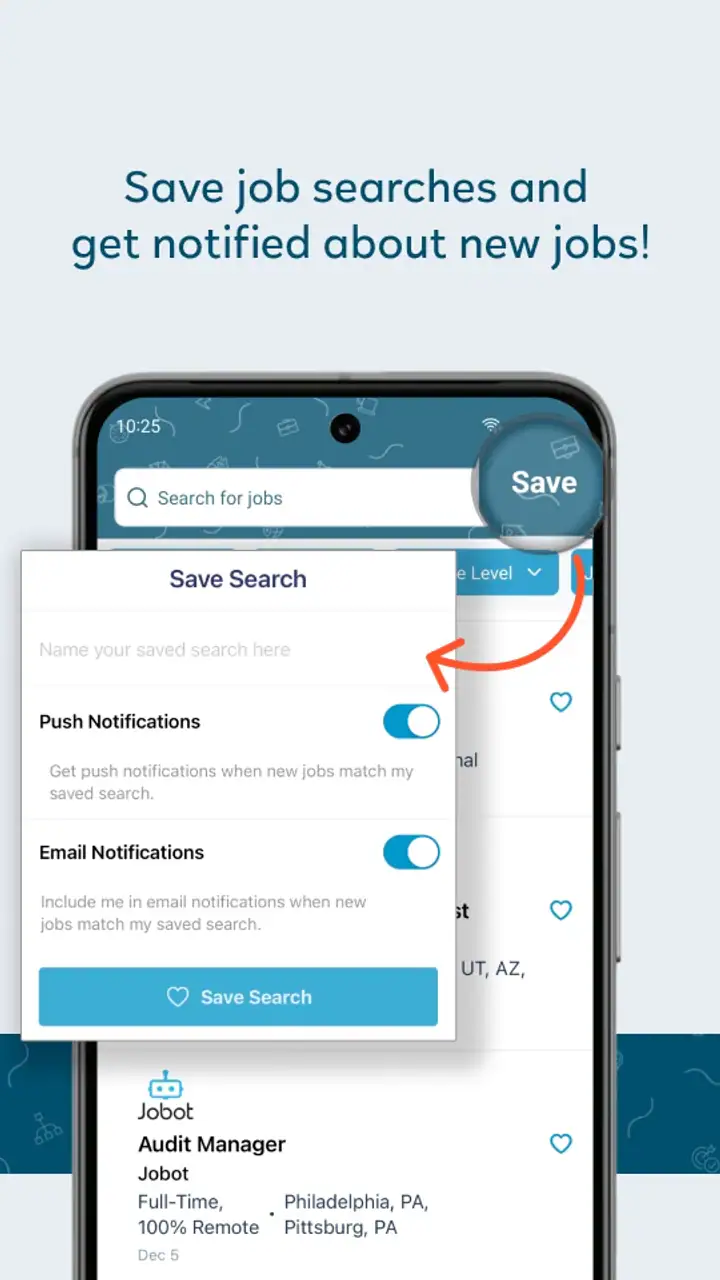
My advice is to use the app for discovery and triage, not as a substitute for careful application work. Read the listing slowly, note the actual requirements, and verify the employer through an independent route before sharing sensitive details. A legitimate-looking listing can still be a poor fit, and a polished search experience cannot decide whether a role is right for my circumstances.
How I would use it in a real job search
I would begin by defining the kind of flexibility I actually need. “Remote” can mean fully home-based, partly office-based, location-limited, or simply flexible about hours. Those differences affect whether a role is realistic. Before opening the search, I would write down my preferred schedule, strongest skills, acceptable employment type, and any location restriction. That preparation prevents the app from turning into an endless stream of attractive but unusable possibilities.
Next, I would search with several related descriptions rather than relying on one perfect phrase. Someone with customer service experience might consider support, client assistance, account coordination, or operations roles. A writer might look beyond “writer” toward content, editorial, documentation, or communications work. The point is not to flood the search with terms; it is to test how the same experience appears under different job titles.
When a listing catches my attention, I would inspect it in three passes. First, I would check whether the work arrangement matches my actual needs. Second, I would compare the responsibilities with my experience instead of being persuaded by the title alone. Third, I would look for a clear application path and sensible employer information. This process turns the app from a passive browsing tool into a small decision system.
A useful habit is keeping a short review list rather than applying immediately to every promising result. For each role, I would record the title, employer, schedule expectation, essential qualification, and one reason it fits. This exposes repetition quickly. If several listings are effectively the same opportunity or require a skill I do not have, I can stop wasting time on them.
Another practical tip is to separate “possible” from “ready.” A job may be worth exploring even when I need to improve one skill, but it should not be treated like an immediate application. Marking that difference helps prevent discouragement. Remote searches often produce many near-matches; the app is more useful when I use it to build a realistic shortlist rather than chase every appealing phrase.
The current release is version 2.4. I would keep the app updated through the normal store process, particularly when using it as part of a regular search routine. A job-search tool depends on current listings and a stable browsing experience, so an older installation can create unnecessary friction even when the basic idea remains useful.
A realistic everyday scenario
Imagine I work in an office and want to move into a remote support role, but I can only search in short bursts after dinner. I could spend ten minutes reviewing remote customer-service and administrative opportunities, remove anything requiring a schedule I cannot meet, and save a few possibilities for deeper research on the weekend. During that longer session, I would compare duties with my résumé, check the employer independently, and decide whether each application is worth tailoring.
In that situation, the app’s value is not that it finds a job instantly. It gives structure to fragmented time. Without a focused tool, I might open several general job sites, repeat the same search, and end up with a collection of unrelated listings. With a remote-centered search, the short session has a clearer purpose: identify realistic candidates and return later with better information.
The same workflow can help a caregiver or student, though the interpretation of “flexible” becomes even more important. A role that is remote but fixed to daytime hours may not work for someone with changing responsibilities. I would never assume that home-based means easy to combine with other commitments. The schedule and workload still need close attention.
The cost question and the sensible boundary
The app itself is free to install, which makes trying the search approach relatively easy. It also includes in-app purchases ranging from about twenty-four dollars to about seventy-two dollars per item. That changes the decision for me: I would explore the free experience first and only consider paying after understanding exactly what additional value is being offered at the point of purchase.
For someone casually curious about remote work, spending money before building a shortlist would be difficult to justify. For an active job seeker who expects to use the service repeatedly, a paid option might be worth considering if it saves meaningful time or supports a more organized search. I would still compare that cost with free employer sites, general job boards, professional networks, and local employment services before committing.
The important trade-off is between convenience and independence. A focused service may reduce noise, but no app can remove the need to investigate employers or tailor applications. If I am comfortable searching broadly and evaluating listings myself, free alternatives may cover most of my needs. If I struggle with the volume and uncertainty of general searches, the focused approach may offer more practical value.
Where the approach works best—and where it does not
The app is strongest at the beginning and middle of a remote-job search. It can help me discover roles, compare possibilities, and keep my attention on flexible employment instead of drifting into unrelated vacancies. It is less likely to replace the later stages: researching the company, preparing a résumé, writing a tailored cover letter, completing assessments, and deciding whether an offer is trustworthy.
That limitation is not a flaw unique to this app. Job boards are discovery tools, and discovery is only one part of employment. Still, it is important to set expectations correctly. Anyone expecting a guided career coach, a direct recruiter relationship, or a complete application manager may find the experience too narrow.
Compared with a general search engine, the advantage is focus. Compared with an employer’s own site, the advantage is breadth across potential opportunities. Compared with professional networking platforms, the advantage is that the search begins with remote and flexible work rather than personal connections. The trade-off is that each alternative may offer stronger company context, networking, or direct communication in its own area.
I would also be careful about treating the word “verified” as a final safety guarantee. I still would not pay an employer to apply, deposit a check to buy equipment, or send identity documents through an unusual channel. I would check the company’s official website, compare contact details, and be suspicious of urgency. These habits are necessary with any job-search platform, including one that emphasizes legitimate opportunities.
Another weakness is the possibility of narrowing my search too much. Remote work is not always labeled consistently, and an employer may describe flexibility in a way that does not match my wording. Searching only one phrase could hide relevant roles. I would vary my terms and think in terms of duties and skills, not just the word “remote.” This is one of the most important ways to get more from the app without assuming it has every suitable listing.
People who need highly detailed salary research, advanced professional networking, or a specialized industry database may prefer another service. Likewise, someone searching for nearby part-time work rather than remote work would probably get better results from a local employment app. FlexJobs makes the most sense when remote legitimacy and flexible arrangements are the main filters, not secondary preferences.
Who gains the most from this app
I think the best audience is someone who wants remote work but feels overwhelmed by the number of places to search. That includes career changers, parents re-entering employment, independent workers looking for a more stable role, and office workers testing whether a home-based position could fit their routine. The app gives these users a defined starting point without requiring them to know every job-board trick.
It can also help experienced applicants who already understand job searches but want a dedicated place to scan remote possibilities. In that case, the benefit is efficiency rather than education. A person with a clear résumé and realistic expectations can use short browsing sessions to identify roles, then switch to more thorough research elsewhere.
I would recommend skipping it if I needed a narrow professional database, direct referrals, or a local hiring marketplace. I would also skip paid features until I had confirmed that the app’s workflow actually improves my search. Free access makes experimentation sensible, but the presence of optional purchases means I should evaluate the value instead of assuming that paying automatically leads to better results.
My overall impression is positive but measured. The developer, BoldGoogleApps, has positioned this as a business app for a very specific problem, and that focus is its clearest strength. It helps turn a broad and sometimes risky remote-work search into a more deliberate shortlist-building process. The app does not do the difficult judgment for me, and it should not be used as permission to lower my caution.
For me, the right way to use it is simple: define my constraints, search with several related terms, shortlist only realistic roles, verify employers independently, and apply with care. Used that way, Remote Jobs Search - FlexJobs can be a useful first step for people who want flexible work without starting in the noisiest corners of the internet. Its best result is not a promise of instant employment; it is a cleaner, more disciplined path toward finding opportunities worth investigating.
FAQs for Remote Jobs Search - FlexJobs
What is Remote Jobs Search - FlexJobs, and how does it work?
Remote Jobs Search - FlexJobs is a mobile application designed to help users find remote and flexible job opportunities. It provides a curated list of legitimate remote jobs across various industries, ensuring users can safely explore work-from-home options. Users can browse job listings, apply directly through the app, and receive notifications for new job postings.
Is there a subscription fee for using FlexJobs, and what does it include?
Yes, FlexJobs requires a subscription to access its full range of features. The subscription includes access to thousands of hand-screened job listings, email alerts for new job posts, and expert resources such as career coaching and resume reviews. This fee helps maintain the quality and legitimacy of the job listings.
How does FlexJobs ensure the legitimacy of its job listings?
FlexJobs employs a dedicated team to hand-screen each job listing, ensuring they are legitimate and scam-free. This process involves thorough research and verification of each employer and job post. This commitment to quality helps users avoid fraudulent listings and focus on genuine remote job opportunities.
Can I use FlexJobs to find freelance and part-time positions?
Yes, FlexJobs offers a wide range of job opportunities, including freelance, part-time, and flexible positions. Users can filter their job search according to their preferences, making it easier to find opportunities that match their desired work schedule and commitment level.
What industries are covered by job listings on FlexJobs?
FlexJobs covers a diverse range of industries, including technology, healthcare, education, marketing, customer service, and more. This extensive coverage allows users to find remote job opportunities across various fields, catering to different skill sets and professional backgrounds.
Pros
- Easy to navigate interface.
- Comprehensive job filtering options.
- Frequent updates with new listings.
- High-quality
- vetted job postings.
- Customizable job alerts available.
Cons
- Requires a subscription to apply.
- Limited free features available.
- No direct application through the app.
- Some niche categories are sparse.
- Occasional duplicate job listings.


